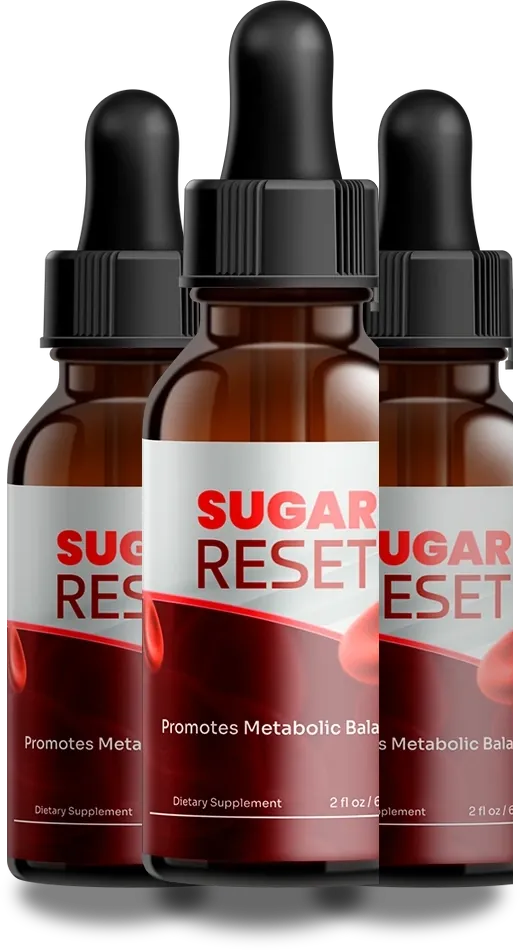
A Daily Routine That Actually Helps Steady Blood Sugar
A steady blood sugar day leans on a few habits: morning light and a real breakfast, protein and fibre before refined carbs, a short walk after the biggest meal, regular sleep, and knowing what alcohol and stress do to a reading. Testing, if a clinician asked for it, tracks whether those habits work. A supplement sits at the edge of that picture, not the centre.
How should a morning start?
Light, timing and the first meal set up everything that follows.
Your morning sets the tone for the whole day's reading. Getting outside for a few minutes of daylight soon after waking helps the body's clock line up, which in turn affects hormones that steady blood sugar overnight and into the morning.
Breakfast matters too, and skipping it is not a shortcut. Going too long without food can leave the body releasing extra stored sugar to cover the gap, then swinging harder once a meal finally arrives. A meal built around protein, fibre and some fat tends to produce a gentler rise than a bowl of only refined carbohydrate. If a dropper of this or any supplement fits into a morning, the label itself puts it before food, not instead of it.
This is general knowledge about routine, not a claim about any product. The daily habits below carry more weight than anything in a bottle, and they stack: a good morning makes the rest of the day easier to keep steady, and a rushed one tends to do the opposite.
Does the order you eat food in actually matter?
The order food arrives in a meal changes how sharply blood sugar rises, even when the plate itself does not change. Eating vegetables and protein before the starchy or sugary part of a meal tends to blunt the rise compared with eating the same foods in reverse order.
| Meal habit | Why it helps | Easy version |
|---|---|---|
| Fibre and protein first | Slows how fast sugar reaches the bloodstream | Vegetables or a protein source before rice, bread or dessert |
| Whole foods over refined ones | Less rapid sugar release per bite | Whole fruit rather than juice; whole grains over white flour |
| Smaller, steadier portions | Avoids one large spike from one large meal | A modest plate plus a planned snack beats one oversized sitting |
| Pairing carbs with fat or protein | Fat and protein slow stomach emptying | Nuts or eggs alongside toast rather than toast alone |
None of this needs to be perfect at every meal. Consistency across most days does more than a single flawless plate.
Does walking after a meal really help?
Finish your biggest meal
The effect is strongest after the meal with the most carbohydrate, usually lunch or dinner.
Walk for ten to fifteen minutes
A gentle pace is enough. Muscles that are moving pull sugar out of the blood for fuel, no gym required.
Aim for within an hour
Walking soon after eating blunts the peak more than the same walk taken much later.
Repeat it most days
A daily habit beats one heroic effort. Even a short walk, done regularly, adds up over weeks.
This is one of the best-supported everyday habits there is, and it costs nothing. General knowledge, not a claim tied to any product.
How much does sleep really affect blood sugar?
Short or irregular sleep pushes blood sugar the wrong way. A single poor night can leave the body less responsive to insulin the next day, and a run of short nights compounds that effect over a week.
- A consistent bedtime and wake time, even on weekends
- A dark, cool room to help sleep actually stay asleep, not just start
- Caffeine cut off by early afternoon if it disturbs your night
- A wind-down routine that does not involve a bright screen right before bed
Treat sleep as part of the same routine as meals and movement, not a separate topic. It shapes how the other habits on this page actually perform.
What does alcohol do to a reading?
Alcohol affects blood sugar in two directions, depending on timing and what is in the glass. A sugary mixer can spike a reading quickly. Alcohol on its own, especially without food, can instead push a reading down for hours afterward, because the liver is busy processing the alcohol instead of releasing stored sugar.
| Situation | What tends to happen | A steadier approach |
|---|---|---|
| Drinking on an empty stomach | Can cause a delayed dip in blood sugar for hours | Eat something with the drink, not just before it |
| Sweet cocktails or mixers | A fast rise, similar to a sugary drink alone | Choose a plain spirit with a sugar-free mixer, or skip the mixer |
| Drinking close to bedtime | The delayed dip can land overnight, while asleep | Finish drinks well before bed and check in with how you feel |
Anyone on insulin or a medicine that can already cause hypoglycemia should talk to a clinician about how alcohol fits their plan specifically, since the risk of a low reading compounds with those medicines.
Can stress alone move a reading?
Stress hormones raise blood sugar on purpose. Cortisol and adrenaline free up stored sugar so the body can react to a threat, which is useful for an actual emergency and less useful when the stressor is a traffic jam or a deadline. Chronic stress can keep that effect running in the background for weeks, and it can also disturb sleep and push people toward less careful eating, which then compounds the direct effect.
- A few minutes of slow breathing or a short walk when stress spikes
- Naming the stressor out loud or on paper, which can lower its grip
- Protecting sleep especially hard during a stressful stretch
- Noticing if stress reliably lines up with your own readings, if you track them
None of this needs to be complicated. A short pause before reacting to a stressful moment, repeated most days, does more over a month than one long relaxation session done once.
What if a clinician told me to test?
If a clinician has asked you to test, the habit matters more than any single number. A pattern across days tells you far more than one reading taken in isolation, especially around meals, exercise or a new routine.
Test at the times you were told to
Fasting, before a meal, after a meal, or at bedtime all show different things. Stick to the schedule given to you.
Write down what came before the number
What you ate, how you slept, whether you walked. A number without context is hard to act on later.
Look for patterns over weeks, not single days
One high or low reading rarely means much on its own. A repeated pattern is worth raising with your clinician.
Bring the log to your next appointment
Your clinician can adjust a plan far better with real data than with a general impression.
Testing habits and schedules should come from a clinician, not from this page. This section is general knowledge about how to make testing useful once you have been told to do it.
Where does Sugar Reset fit into this routine?
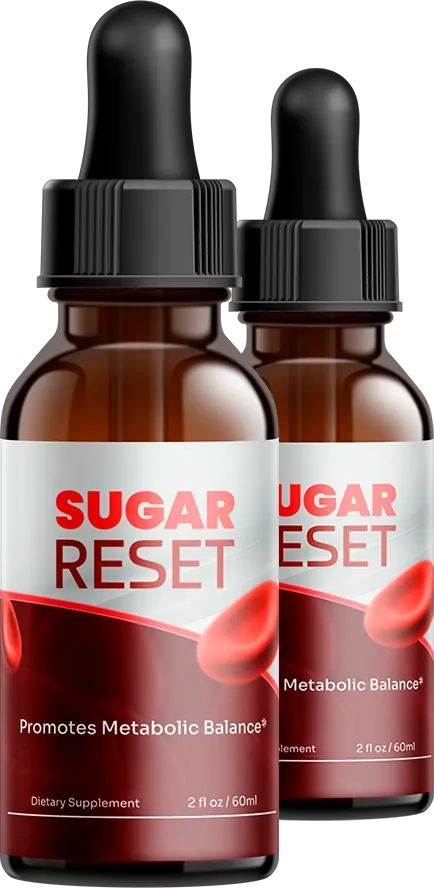
Here is where a supplement like Sugar Reset honestly fits into everything above: at the edge, not the centre. The label asks for one or two droppers a day, ideally before a meal, and nothing about that instruction changes what breakfast, a walk or a night's sleep still has to do.
Nothing on this page, and nothing in the bottle, is a diabetes treatment. Prescribed medicine and any testing schedule a clinician set stay exactly as they are unless that clinician says otherwise. Gymnema and chromium in the blend may lower blood sugar on their own (Marakis et al., 2018), so anyone on insulin, metformin or a sulfonylurea should ask first before adding it to a routine like this one.
A realistic way to use a supplement inside this routine: pick one small time of day for it, alongside a habit you are already doing, and judge the whole routine together over weeks, not the dropper alone over days. More on that pairing in our how to use Sugar Reset page.
Daily Glucose Routine Guide: common questions
What is the single most useful habit here?
Walking for ten to fifteen minutes after your largest meal has some of the best everyday support behind it, and it costs nothing.
Does meal order really change a reading?
Yes, in general terms: eating fibre and protein before starchy or sugary food tends to produce a gentler rise than the reverse order.
How does poor sleep affect blood sugar?
Short or irregular sleep can make the body less responsive to insulin the next day, and the effect builds over a run of bad nights.
Is alcohol always risky for blood sugar?
It can push a reading in either direction depending on timing and mixers; drinking without food can cause a delayed dip for hours.
Should I test if no clinician told me to?
This guide assumes a clinician set the schedule. Starting or changing a testing routine on your own is a question for them, not this page.
Can a supplement replace these habits?
No. Nothing in a dropper replaces morning light, meal order, movement, sleep or a clinician's testing plan.
Can stress alone raise a reading?
Yes. Stress hormones release stored sugar on purpose, and that effect can persist through a stressful stretch.
Where should I start if this feels like a lot?
Pick one habit, usually the after-meal walk or a steadier bedtime, and hold it for two weeks before adding another.
Keep reading
How do I actually take Sugar Reset?
Dose, timing and how the drops fit alongside a daily routine.
Read →How do I read a supplement label?
Serving size, %DV, proprietary blends and what a claim can legally say.
Read →What is inside Sugar Reset?
Every ingredient in the 200 mg blend, and what research says about each.
Read →Start the Sugar Reset routine from the authorized outlet
Sixty 1 ml doses fill every bottle, and the kits work out at $79, $69 or $49 a bottle with sixty days to ask for a refund. Not sure which kit fits your routine? The kit comparison sets them side by side.