What the Sugar Reset Seals Actually Prove
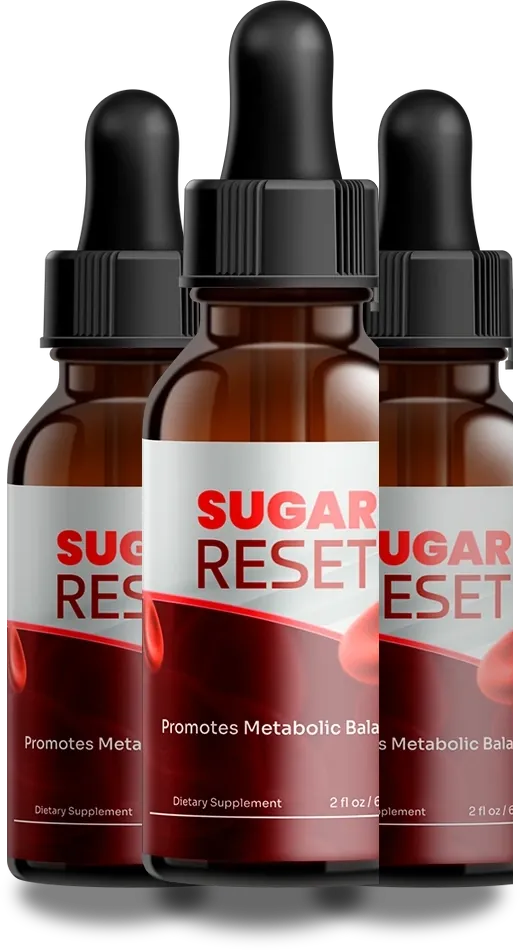
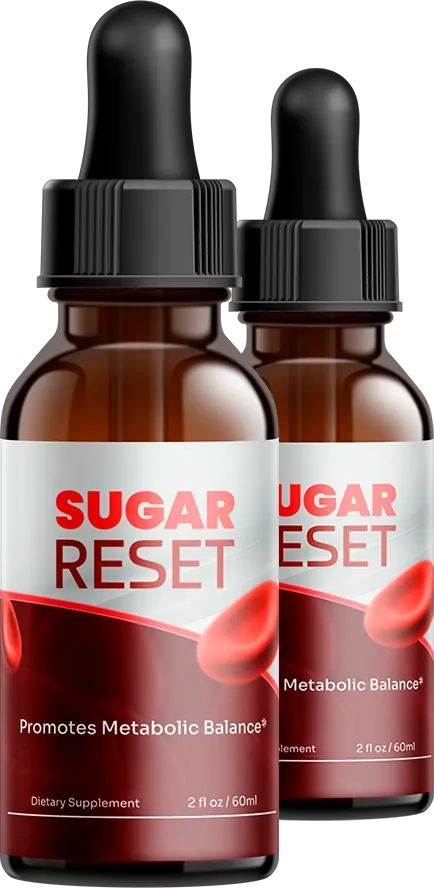
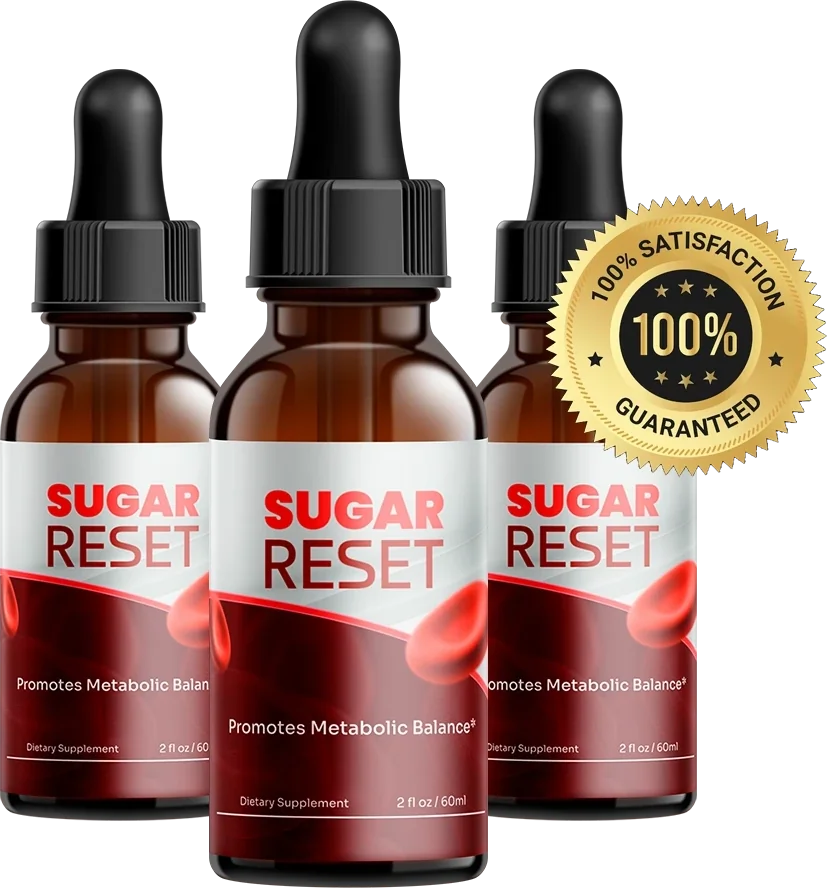
Four seals sit on the Sugar Reset bottle and sales page: Registered Facility, GMP Certified, Non-GMO and 60-Day Money Back. Each one describes a process a plant claims to follow, not a lab result for this liquid. No certificate number and no auditor's name back any of them, and lot SUG-26/SU-3847 with CoA reference SUG-3847-26-SU are draft page references, not a published Certificate of Analysis.
What do the Sugar Reset seals actually prove?
A seal on a bottle says a step was followed somewhere in a factory. It does not say what a chemist would find in the dropper itself. This page walks through the four Sugar Reset seals one at a time, what each can and cannot tell a buyer, and what independent testing would need to cover for a liquid holding 22 named ingredients.
The four seals on the bottle, one card each
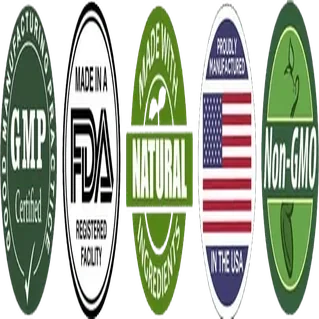
Registered Facility
The factory appears on the FDA’s facility register. Registration is a listing, not an approval, and Sugar Reset is not FDA-approved.
GMP Certified
Good Manufacturing Practice rules are claimed for the plant. The certificate number and the auditor are not published.

Non-GMO
A non-GMO mark used on the sales page. No certifying organisation is named next to it.
60-Day Money Back
A purchase promise from the sales page, not a health promise. Return postage is on the buyer.
Every line above comes from what a seal like this is legally allowed to claim, not from marketing copy written to sound reassuring. A seal describes a step in a process; it says nothing about how well the finished liquid performs.
Reading each seal for what it says, and where it stops
| Seal | What it means | What it does not mean |
|---|---|---|
| Registered Facility | The plant told the FDA it manufactures dietary supplements. | That the FDA tested this product, checked its claims, or approved it for sale. No supplement gets FDA approval; the FDA runs no such program for this category. |
| GMP Certified | The plant claims to follow Good Manufacturing Practice rules, a real, defined production standard. | That a named auditor or a certificate number backs the claim. Neither is published, so a buyer cannot look the certificate up directly. |
| Non-GMO | A non-GMO claim taken from the sales page. | That any certifying organisation stands behind it or ran a test. No body or method is named next to the mark. |
| 60-Day Money Back | A purchase promise printed on the sales page: sixty days to decide. | A statement about health outcomes. Postage on a return is the buyer's own cost. |
Worth remembering before any of this changes your view of the product: a gap in what is published is not proof a claim is false. It is a gap, and this page names it as one rather than filling it with a guess.
Why a seal is not the same as a lab result
"Registered" and "approved" get mixed up constantly, and they are not the same word. A registration is a listing: the plant told a regulator what it makes. An approval is a review of the product itself. Dietary supplements in the US never go through that second step before reaching a shelf.
The GMP mark works the same way. It points at a genuine standard for how a factory should run, but Sugar Reset prints no certificate number and no facility name beside the mark, so nobody outside the company can pull the paperwork and check it.
The Non-GMO mark is the least specific of the three. No certifying body, no test method, nothing a buyer can trace. It reads as a statement to take on trust, exactly like the other two.
- A facility listing is not a product approval
- GMP points to a real standard, minus a certificate a buyer can check
- Non-GMO names no certifying body here
- None of the three test what is actually in a dropper
What's actually published, laid out in one table
| What we looked for | Status | Detail |
|---|---|---|
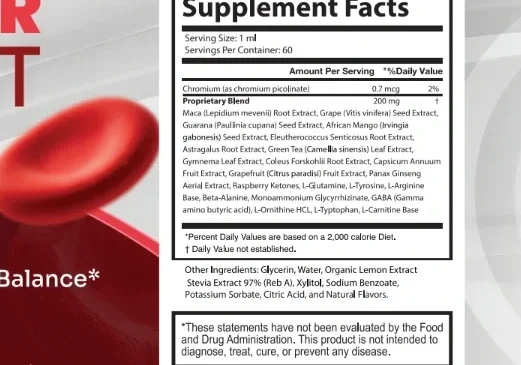
| Chromium amount per dose | Published | 0.7 mcg, 2% of the Daily Value, the only ingredient with its own printed figure |
| Serving size and bottle count | Published | 1 ml a dose, 60 doses to a bottle |
| Amount of each blend ingredient | Not published | The amount of each of the 22 ingredients inside the 200 mg proprietary blend |
| Caffeine from guarana and green tea | Not published | How much caffeine the guarana and green tea extracts add per dropper |
| Extract ratios or standardisation | Not published | Extract ratios or standardization for any plant in the blend |
| Lot number | Published | SUG-26/SU-3847, printed on the bottle |
| CoA reference | Published as a reference only | SUG-3847-26-SU, a draft page reference, not a public lab report |
| Facility registration number | Not published | The seal names no registration number a buyer can look up |
| GMP certificate number and facility name | Not published | GMP certificate number, facility name and the body behind the GMO-free claim |
| Auditor or certifying body behind any seal | Not published | No name appears next to any of the four marks |
| Heavy metal or microbial testing | Not published | No test panel or result is shown on the label or sales page |
This is the condensed version of the same gaps set out on the ingredients page and the Supplement Facts breakdown.
What the blend discloses, and what it keeps to itself
The label reads "Made in the USA with globally sourced ingredients." That line describes where the bottling took place, not where any single plant came from. Some raw material, maca or ginseng among the likelier candidates, may travel from suppliers outside the US before the final bottle is filled here. The label does not say which country supplies which ingredient.
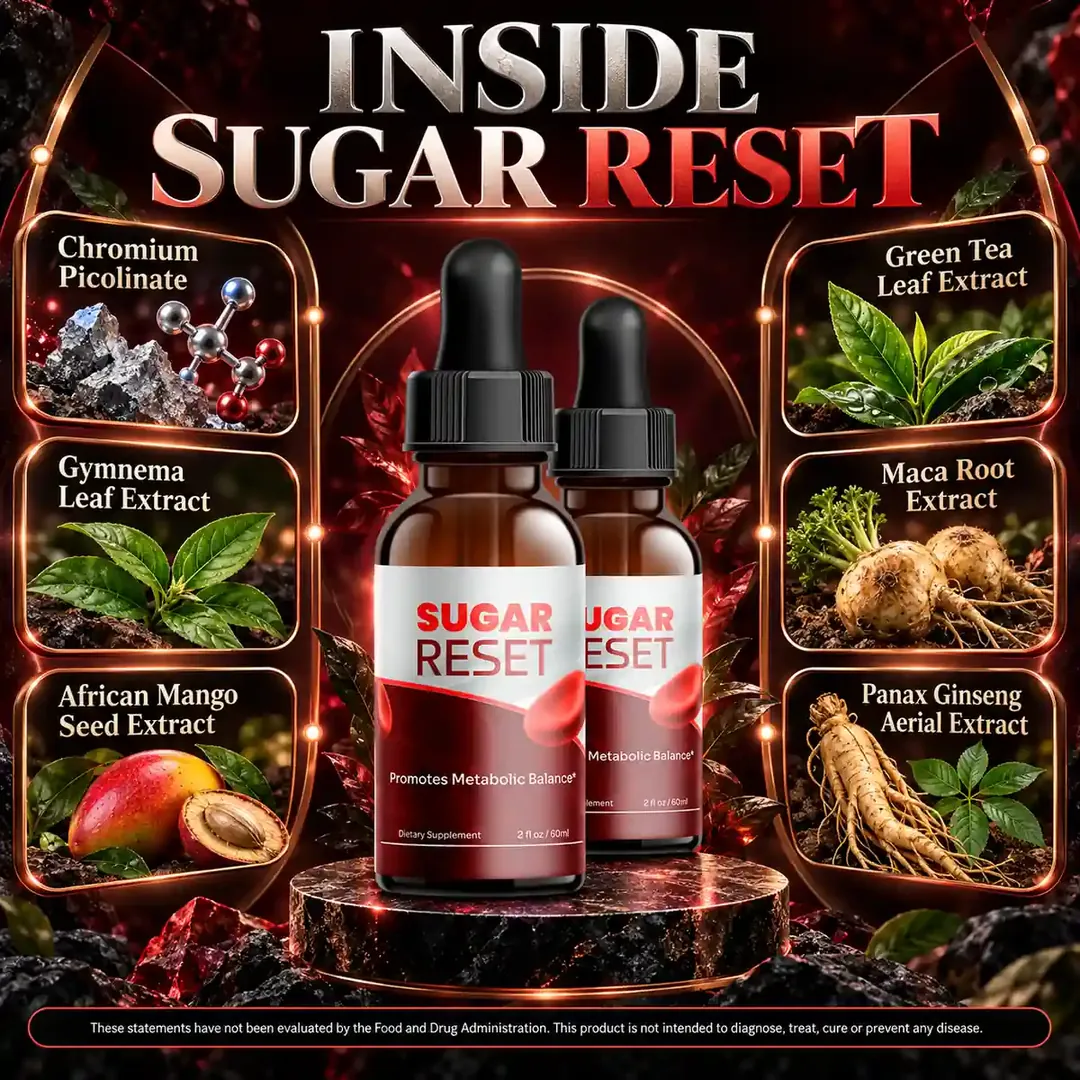
The 200 mg blend names all 22 ingredients under one combined weight. The panel marks it "Daily Value not established" and gives no separate figure for any single one.
| Blend ingredient | Amount inside the 200 mg total |
|---|---|
| Maca Root Extract | Not published |
| Grape Seed Extract | Not published |
| Guarana Seed Extract | Not published |
| African Mango Seed Extract | Not published |
| Eleuthero Root Extract | Not published |
| Astragalus Root Extract | Not published |
| Green Tea Leaf Extract | Not published |
| Gymnema Leaf Extract | Not published |
| Coleus Forskohlii Root Extract | Not published |
| Capsicum Annuum Fruit Extract | Not published |
| Grapefruit Fruit Extract | Not published |
| Panax Ginseng Aerial Extract | Not published |
| Raspberry Ketones | Not published |
| L-Glutamine | Not published |
| L-Tyrosine | Not published |
| L-Arginine Base | Not published |
| Beta-Alanine | Not published |
| Monoammonium Glycyrrhizinate | Not published |
| GABA (gamma-aminobutyric acid) | Not published |
| L-Ornithine HCL | Not published |
| L-Tryptophan | Not published |
| L-Carnitine Base | Not published |
A blend sold this way is legal. It also means nobody buying a bottle can say how much gymnema leaf or green tea extract they are actually taking, which matters because concentrated green tea extract carries reported liver-injury cases at doses this label does not state. Full ingredient notes sit on the ingredients page.
What the lot and CoA reference actually prove
Lot number
Our bottle prints lot SUG-26/SU-3847, the same kind of batch code any distributor uses to trace a production run.
CoA reference
CoA reference SUG-3847-26-SU is the code tied to that lot. We treat it as a draft page reference, not lab proof, since no signed, dated, third-party report we can independently confirm carries this exact lot and reference together.
Until an independent lab report is published for lot SUG-26/SU-3847, worth treating the CoA reference as a bookkeeping code that should match your bottle, nothing more. Step-by-step checks sit on the batch check page.
What third-party testing would add for a 22-part liquid
Identity testing for each of the 22 parts
Confirms every plant and amino acid in the blend is genuinely present, not swapped for a cheaper stand-in or simply missing.
A potency figure per ingredient
Would turn one shared 200 mg line into real milligram numbers for gymnema, maca, ginseng and the rest, worth a check with your pharmacist once those numbers exist.
A caffeine figure
Would say exactly how much the guarana and green tea inside the blend add to a single dropper.
Heavy metal and microbial screening
A standard panel for plant-based liquids: lead, arsenic, cadmium, mercury, plus bacteria, yeast and mould in a base built on water and glycerin.
A named, accredited lab on the report
Lets a buyer confirm testing happened at all, rather than trusting a reference code with no lab attached to it.
Every quality claim, checked one at a time
| Claim | What it says | What we could check | What you can do |
|---|---|---|---|
| Registered Facility | Plant sits on an FDA list | Seal only, no registration number shown | Not checkable from the label alone |
| GMP Certified | Plant follows GMP rules | Seal only, no certificate number or facility name | Ring the BuyGoods desk and ask the distributor for the certificate |
| Non-GMO | Non-GMO claim from the sales page | No certifying body or test method named | Not checkable from the label alone |
| 60-Day Money Back | A refund window applies | Confirmed on the sales page as sixty days | See the guarantee page |
| Lot / CoA reference | Batch traceable to a record | Lot printed on the bottle; CoA is a draft reference, not a report | Match your bottle on the batch check page |
None of this makes Sugar Reset unusual for its shelf. It means several claims lean on the label or the sales page rather than a document a buyer can pull up. The two claims that hold up on independent checking, the guarantee terms and the lot printed on the physical bottle, are also the two most useful for a buyer to act on today.
What it would take for this page to say more
What would change this page: a signed, dated Certificate of Analysis for lot SUG-26/SU-3847 from a named, accredited lab, covering identity plus screens for heavy metals and microbes, together with a milligram figure for each of the 22 blend ingredients. A certificate number tied to a named facility would settle the GMP claim the same way, and a named body would settle the Non-GMO one.
Until any of that surfaces, the seals here read as honest process claims, and the lot and CoA numbers read as a way to match a bottle to a record, not as a stand-in for a public lab report. Call the BuyGoods desk if you want to check whether anything new has been published.
None of this makes Sugar Reset an outlier. National Center for Complementary and Integrative Health (NCCIH), 2024 notes that research on most blood sugar supplements, herbal or otherwise, runs thin on number, size and quality of studies, and a gap between a seal and a public lab report is common across the category. That is worth knowing before you decide it matters enough to change an order.
Sugar Reset testing and quality: common questions
Has an outside lab tested Sugar Reset?
No independent lab report is published. Lot SUG-26/SU-3847 and CoA reference SUG-3847-26-SU are draft page references we matched to a bottle, not a public Certificate of Analysis.
What does the Registered Facility seal actually mean?
The plant is listed with the FDA as a facility that makes dietary supplements. It is not an approval of this product or its claims.
What does GMP Certified mean here?
Good Manufacturing Practice is a real production standard, but no certificate number or facility name is published, so the claim cannot be looked up directly.
What does the Non-GMO mark mean?
A non-GMO claim from the sales page. Nobody outside the company can check it, because no certifier or test method is named.
Are the blend amounts published anywhere?
No. The panel gives one combined weight, 200 mg, for all 22 ingredients, with no single figure disclosed for any one of them.
Does a Certificate of Analysis exist for this product?
A CoA reference, SUG-3847-26-SU, exists for the lot we checked, but it counts as a draft page reference until a full, signed lab report is published.
What could an outside lab test add for a blend like this?
Identity and potency figures for each of the 22 parts, plus heavy metal and microbial screening, none of which is published today.
How do I check my own bottle's lot number?
Look for lot SUG-26/SU-3847 on the label, then compare it on the batch verification page.
Start the Sugar Reset routine from the authorized outlet
Sixty 1 ml doses fill every bottle, and the kits work out at $79, $69 or $49 a bottle with sixty days to ask for a refund. Not sure which kit fits your routine? The kit comparison sets them side by side.