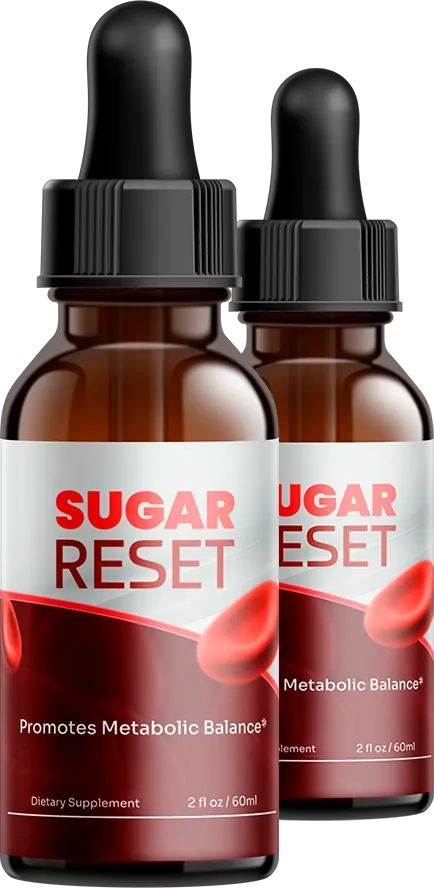
Who Is Sugar Reset For? Find Your Situation
Sugar Reset suits a healthy adult who takes no glucose-lowering or grapefruit-flagged prescription.
Anyone on insulin, metformin or a sulfonylurea, anyone with a blood pressure or liver concern, and anyone pregnant, nursing or under 18 should ask a clinician before the first dose.
See the side effects page for the reasons.
Where you sit, in one table
Seven situations, and a first answer for each. Read on for the reasoning behind any row that applies to you.
The fit question here is less about the blend and more about your own paperwork. Seven groups of people are worth a second look before they open the bottle, and the label itself names some of them directly, in plain words rather than fine print.
| Your situation | Where it lands |
|---|---|
| A healthy adult, no daily prescription | Likely fine to try |
| On insulin, metformin, a sulfonylurea or similar | Ask a clinician first |
| On a medicine flagged to avoid grapefruit | Ask a clinician first |
| Sensitive to caffeine, or already drinking plenty of it | Worth a rethink on timing, not a hard no |
| Managing blood pressure, or watching potassium | Ask a clinician first |
| Living with liver or kidney disease | Ask a clinician first |
| Pregnant or nursing | Ask a physician before the first dose |
| Under 18 | Not for you without a physician's sign-off |
Every row below gets its own reasoning further down the page. None of them make Sugar Reset unsafe outright; they make it a conversation to have before a purchase, not after one.
Already on medicine for blood sugar?

This is the row worth the most weight on the whole page. Two of the six ingredients the sales page names, gymnema and chromium, are studied for roughly the same job that glucose-lowering medicine does.
An EFSA risk assessment on gymnema documented cases of dangerous hypoglycemia once it was stacked with antidiabetic drugs, with some people needing a prescription dose cut back or stopped altogether (Marakis et al., 2018). Add insulin, metformin, a sulfonylurea or a similar drug into the mix and the combined pull on blood sugar can go lower than either ingredient manages on its own.
None of this means the drops are forbidden if you take diabetes medicine. It means the decision belongs to whoever prescribes that medicine, made with your actual numbers in front of them, not guessed from a label.
On a specific prescription? Check these three things
Grapefruit-flagged prescriptions
The blend carries grapefruit fruit extract. Grapefruit changes how the liver and gut clear a long list of medicines, including some statins, blood pressure drugs and transplant medicines. If a pharmacist ever told you to skip grapefruit with a prescription, treat this bottle the same way until you have checked.
Blood pressure medicine, or watching your potassium
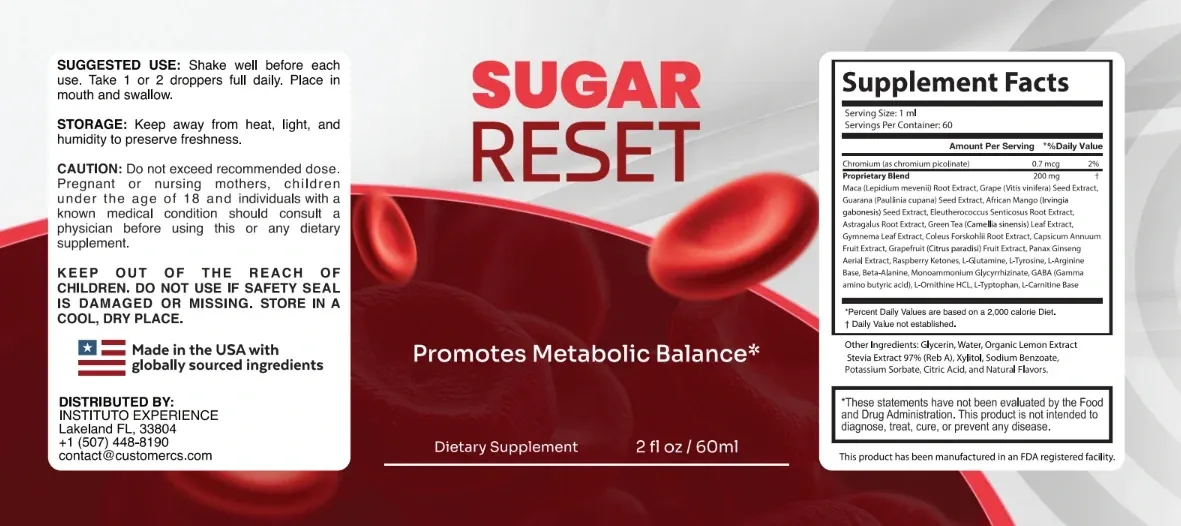
Two more ingredients matter here: a licorice-derived compound (monoammonium glycyrrhizinate) that can raise blood pressure and lower potassium with regular use, and coleus forskohlii, studied for effects on blood pressure and clotting. Neither amount is printed, so there is no number to weigh against your own readings.
Any other prescription not covered above
The label's caution names "a known medical condition" in general terms, which covers this ground broadly. A quick call to a pharmacist, bottle in hand, is a smaller ask than sorting out an interaction after the fact.
Notice caffeine more than most people do?
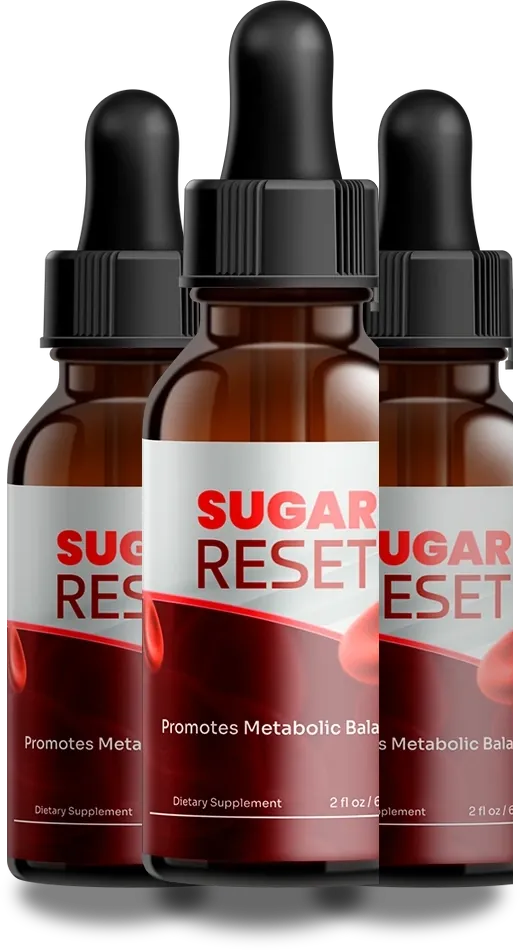
If a small amount of caffeine already makes you jittery, wired or unable to sleep, this is worth a rethink on timing rather than a flat no. The blend's guarana seed and green tea leaf are both caffeine sources, sitting inside the 200 mg total with no printed figure attached to either.
People who already drink coffee, tea or an energy drink close to when they would take the drops are effectively stacking an unknown amount on top of a known one. Spacing the two out, or trying the drops earlier in the day, is a reasonable first move before ruling the product out entirely.
A doctor-set limit on caffeine, for a heart, blood pressure or anxiety reason, is a firmer line than personal sensitivity, and deserves the same check as any other prescription flag above.
Living with a liver or kidney condition?
Liver and kidney conditions each get their own reason to pause here, tied to different parts of the label.
| Condition | Why it matters for this bottle |
|---|---|
| Liver disease or a history of liver problems | Green tea leaf extract is one of the six ingredients the sales page names. LiverTox documents more than 100 cases of clinically apparent liver injury tied to concentrated green tea extract, including rare cases needing a transplant (LiverTox (National Institute of Diabetes and Digestive and Kidney Diseases), 2023). The amount in this blend is not printed. |
| Kidney disease, or a chromium-related concern | NIH's own fact sheet on chromium notes people with kidney or liver disease may be more susceptible to harm from higher chromium intakes, and cites isolated reports of kidney injury tied to chromium supplements (National Institutes of Health, 2024). This label's chromium amount, 0.7 mcg, is small, but the caution still applies to the ingredient itself. |
Neither row is a reason to panic. Both are a reason to mention the supplement, by name, at your next appointment rather than leaving it out of the conversation.
Pregnant, nursing, or under 18?
The caution text is direct: “Do not exceed recommended dose. Pregnant or nursing mothers, children under the age of 18 and individuals with a known medical condition should consult a physician before using this [product] or any dietary supplement.” This page treats that line as a hard stop for these three groups, not as background wording to skim past.
None of the research behind chromium, gymnema or any other part of this blend was reviewed for use in pregnancy, nursing or childhood. That gap is not a small print detail; it is the reason the label draws the line where it does. If you fall into one of these three groups, the right next step is a conversation with your own doctor, not a longer read of this page.
When a clinician comes before a supplement
A supplement cannot diagnose anything, and this page will not pretend otherwise. Once a cause is known and a plan is in place, a clinician is also the right person to ask whether a habit like this one has any sensible role alongside it.
A short checklist before you order
| Before you order, check | If the answer is no |
|---|---|
| 18 or older, not pregnant or nursing | Wait, or ask a physician before starting |
| No insulin, metformin, sulfonylurea or similar medicine | Get a clinician's answer first |
| No medicine flagged to avoid grapefruit | Ask a pharmacist before starting |
| Comfortable with an unstated amount of caffeine | Try the drops earlier in the day, away from other caffeine |
| No liver or kidney condition to flag | Mention the supplement at your next appointment first |
A pause here costs a phone call. An interaction sorted out after the fact costs a great deal more time. Once your own list checks out, the daily routine itself is short: see how to use Sugar Reset.
Who it's for: common questions
Who should not take Sugar Reset without checking first?
Anyone under 18, pregnant or nursing, on glucose-lowering medicine, on a grapefruit-flagged prescription, or managing blood pressure, potassium, liver or kidney conditions.
Can I take it alongside diabetes medicine?
Only with a clinician's say. Gymnema and chromium may lower blood sugar on their own, and adding them to insulin, metformin or a sulfonylurea can push it too low.
Why does grapefruit matter here?
The blend contains grapefruit extract, which changes how the body clears many prescription medicines. If a pharmacist ever flagged grapefruit for your medicine, check before you start this too.
Is it a problem for blood pressure or potassium?
Worth checking. A licorice-derived compound and coleus forskohlii are both in the blend, and both are studied for effects on blood pressure, with no printed amount for either.
Does caffeine sensitivity rule it out?
Not automatically. Guarana and green tea add an unstated amount of caffeine, so trying the drops earlier in the day, away from other caffeine, is a reasonable first step before ruling it out.
Is it a fit during pregnancy or while nursing?
No, not without a physician's sign-off. The label names these groups directly in its caution text.
What about someone under 18?
No. The label treats this as a hard line, and so does this page.
When is a clinician the better first step than this bottle?
If you notice symptoms of unusually high or low blood sugar, or a reading far outside your normal range. Those need an evaluation, not a supplement.
Start the Sugar Reset routine from the authorized outlet
Sixty 1 ml doses fill every bottle, and the kits work out at $79, $69 or $49 a bottle with sixty days to ask for a refund. Not sure which kit fits your routine? The kit comparison sets them side by side.